
Tibet is not merely a destination; it is a calling. Known as the “Land of Snows,” it is a place where the sky feels closer, the air is thin with mystery, and the very landscape seems to whisper ancient prayers. To journey here is to embark on a pilgrimage for the soul.
To truly walk this ancient land is to understand that every mountain, every lake, is considered a deity in its own right. Your journey, therefore, becomes a form of dialogue with the divine. The practical steps—the permits, the acclimatization, the mindful planning—are not mere bureaucracy, but rather a process of preparing your body and spirit to receive the profound lessons Tibet has to offer. As you arrange your journey with a Tibetan-owned agency, you do more than secure a guide; you weave your own thread into the living tapestry of the local community, ensuring your footsteps support the very culture you have come to admire.
Easing the Path: China’s Evolving Visa Policy for the Tibetan Pilgrim
For many, the journey to Tibet once felt layered with bureaucratic complexity, a test of patience before the physical and spiritual ascent could even begin. However, recent shifts in China’s visa policy have begun to smooth the path, making the initial steps toward the Roof of the World more accessible than they have been in years.
The most significant change for 2025 and 2026 is the removal of the long-standing Chinese Group Visa requirement for travelers entering from Nepal. This policy once bound travelers to a rigid, single-entry group itinerary. Now, you can obtain an individual Chinese visa from your home country, granting a greater sense of personal agency and flexibility from the very start of your pilgrimage. This shift acknowledges the independent spirit of the modern traveler, allowing you to approach the journey with a quieter mind. Furthermore, the temporary reopening of the historic Dram (Zhangmu) border crossing provides a vital new route after the Kyirong bridge was lost to natural forces, demonstrating a practical adaptability in facilitating this sacred passage.
While the essential Tibet Travel Permit, arranged by your certified agency, remains the non-negotiable key to the TAR’s heartland, these policy evolutions signify a meaningful opening. They streamline the preliminary journey, reducing logistical hurdles so you can focus your energy on what truly matters: the inner preparation for the profound encounters that await amidst the high Himalayas. It is a welcome alignment of policy and spirit, making the celestial realm of Tibet feel just a little closer, and its wonders a little more readily available to the sincere seeker.
This is your comprehensive guide for 2025, designed to help you answer that call—not just as a tourist, but as a mindful traveler. Here, you will learn how to tread lightly, embrace wonder, and return home transformed.
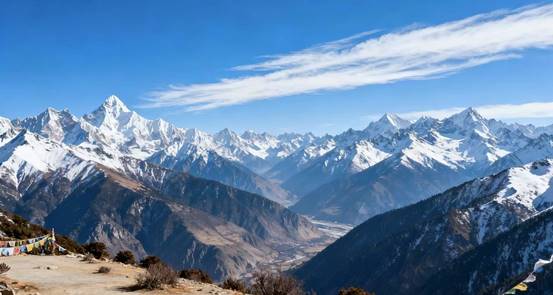
*The majestic vista of Mount Everest from the Gyawu La Pass—a moment of pure, unspoken awe.*
Within this guide, you will discover the path to:
* Cultivating a profound and authentic experience in this sacred land.
* Ensuring a journey that is as safe as it is spiritually rewarding.
* Navigating the practicalities with wisdom, avoiding common pitfalls of time and money.
* Traveling in a way that honors and supports the vibrant Tibetan people and their culture.
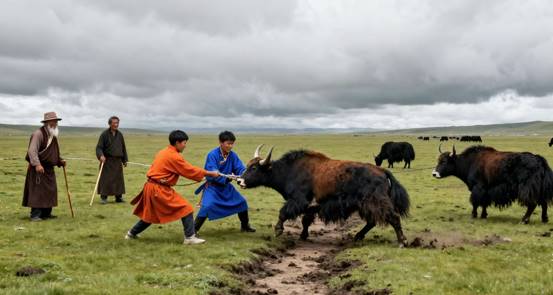
*The timeless rhythm of life in Kham, where the earth meets the heavens.*
Let us begin this journey together.
Section Overview:
* Ten Most Frequently Asked Tibet Travel Questions
* The Soul of Tibet: What to Experience
* The Journey Inward: How to Travel to Tibet
* The Rhythm of the Seasons: Best Time to Visit
* The Keys to the Kingdom: Visas and Permits
* A Vessel for the Journey: Health and Safety
* Nourishment of the Body: Tibetan Food
* Sanctuaries for the Spirit: Where to Stay
* Wisdom for the Way: Our Top Recommendations
——————————————————————————————————————————————-
Ten Most Frequently Asked Tibet Travel Questions
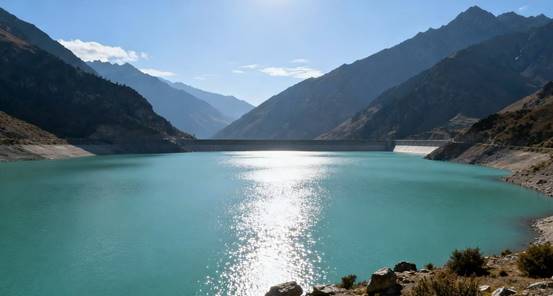
*The serene, turquoise waters of Manak Dam Lake seen from the Simi La Pass
The path to Tibet can seem shrouded in questions. To bring you immediate peace, we begin with the essential inquiries that arise in the heart of every aspiring traveler.
The following consists of questions and clear answers to quiet your mind and open your heart to the journey ahead:
1. Is Tibet Accessible to Any International Pilgrim and Traveler?
The gates to Tibet are generally open, offering their welcome to foreign travelers throughout most of the year, with the exception of certain periods in February and March. To cross its threshold, you will need two keys: a Chinese visa and a special Tibet Travel Permit, a document that speaks to the region’s unique status. Some nationalities may acquire a visa upon arrival.
A Significant Change for the 2026 Journey:
In July 2025, flooding reshaped the land, washing away the bridge at the Kyirong border crossing with Nepal. In its stead, the historic crossing at Dram (Zhangmu) has been temporarily reopened for international travelers.
A significant change eases the path: the Chinese Group Visa is not required any longer for journeys from Nepal. You may now apply for an individual China visa from your own country. Please remember, the Tibet Travel Permit, arranged by your chosen Tibet travel agency, remains your essential companion.
2. Can You Walk the Path Alone? The Truth About Independent Travel
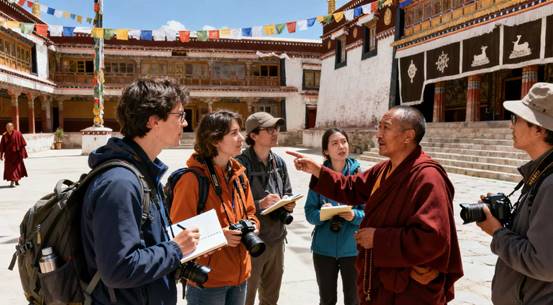
*Travelers and their Tibetan guide share a moment at Gonlong Jampaling in Amdo
In the heartland of Tibet—the Tibet Autonomous Region (TAR), which cradles Lhasa and Mount Everest—the answer is NO. The journey must be made with an officially recognized Tibetan travel agency. Yet, within this structure, there is beautiful freedom.
Your “organized tour” can be a private pilgrimage, a journey for you alone, or for you and your chosen companions. Beyond the TAR, in the expansive eastern regions of Kham and Amdo, you are free to wander more independently, following the whispers of your own spirit.
3. Is Tibet a Sanctuary for the Traveler?
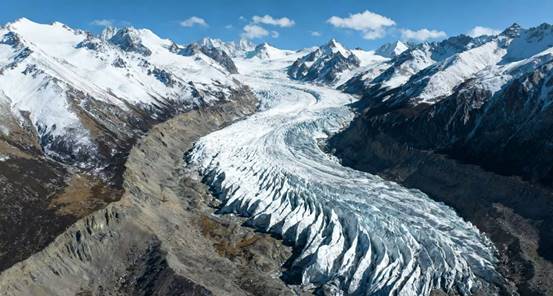
*The pristine, powerful presence of the Nyenchen Khangsar Glacier near the Karo La Pass
In terms of personal safety, many find a profound sense of peace in Tibet, often feeling more secure than in their home cities. The culture is one of deep-rooted kindness and hospitality. Solo travel, for women and men alike, is very common, and is facilitated by your guide and driver. You are free to explore the holy sites of Lhasa on your own, losing yourself in the whirl of prayer wheels and the murmur of mantras.
4. How Does One Approach the Roof of the World? Respecting the Altitude
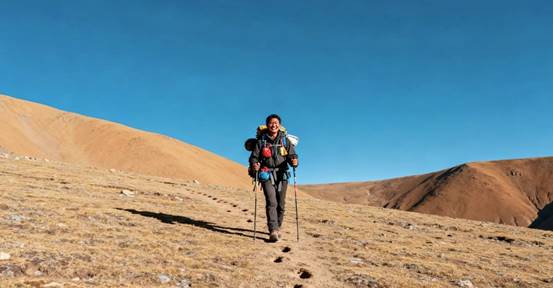
*A trekker descends from the high pass of Zhugar La, surrounded by boundless sky
Tibet’s average elevation is 4,500 meters—a physical and spiritual ascent. Altitude sickness is a real consideration, but one that can be met with mindful preparation. We recommend a gentle approach:
* Listen to Your Body: Upon arriving in Lhasa, grant yourself the gift of rest. Move slowly, breathe deeply, and drink copious amounts of water.
* Ascend Gradually: Allow your body to begin its silent adjustment by pausing for a few nights at a mid-level altitude like Xining.
* Journey by Train: The slow, rhythmic climb to Lhasa aboard the train is not only a breathtaking experience but a kinder way to acclimatize.
* Seek Counsel: Speak with a travel doctor about whether medication like Diamox is right for your body’s temple.
* Honor the Ascent: Follow the wisdom of acclimatization, never ascending too quickly to higher elevations.
5. When Does the Land Sing? Choosing Your Season of Travel
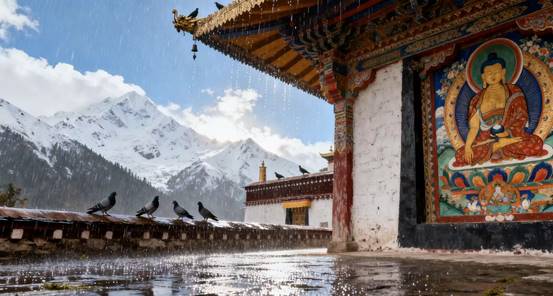
*The serene and sacred atmosphere of Chotang Monastery
Each season in Tibet sings a different hymn to the heavens.
* Summer: The land is emerald and alive, warmed by the sun and vibrant with festivals. This is also the season of pilgrims and travelers, and of occasional rain that, while often falling at night, can veil the peaks of Everest and Kailash.
* Spring & Autumn: These are seasons of clarity. The air is crisp, the skies are often a profound blue, and the crowds have thinned, offering a more intimate experience.
* Winter: Do not fear the cold. Winter offers a stark, beautiful solitude. With far fewer travelers, the presence of Tibetan pilgrims in Lhasa is palpable. The mountains stand in sharp relief against the winter sky, and a deep, contemplative silence descends upon the land.
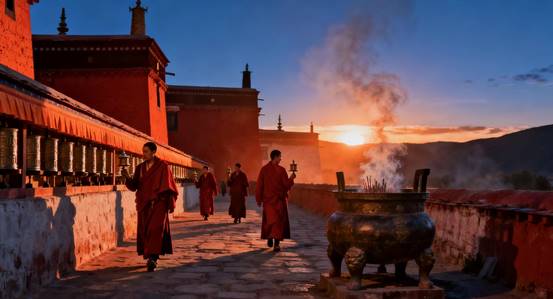
It is wise to avoid the traditional closure months of February and March, as well as Chinese national holidays in May and October, when the flow of domestic tourists peaks.
6. What Papers Does the Spirit Need? Visas and Permits Demystified**

*A sample Chinese visa nestled within a passport
A Chinese visa is your first step, but it is not your last. Think of it as permission to enter the country, while the Tibet Travel Permit is your invitation to the sacred realm within. This permit is issued by the government but must be applied for on your behalf by your certified Tibetan travel agency. They are your guides in the world of paperwork as much as on the mountain paths.
7. What is the Offering? Understanding the Cost of a Sacred Journey
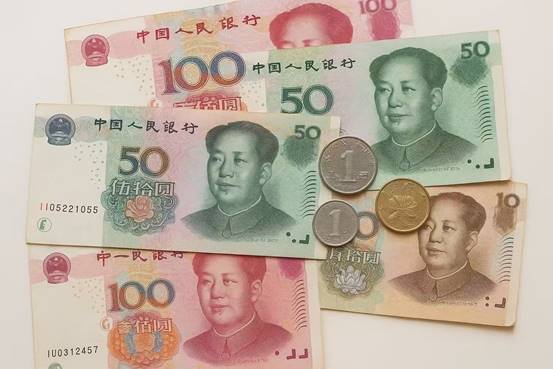
*The legit currency being used in Tibet as of 2026, the Chinese RMB or CNY
A journey to Tibet requires a financial offering, a result of the region’s unique policies. This investment, however, opens the door to an unparalleled experience. Here are sample estimates for small group tours (excluding travel to Lhasa):
* Urban Lhasa and Around (3-4 days): about $440 – $580
* Everest Base Camp (7-8 days): about $850 – $1,150
* A More Gradual Everest Journey (9-10 days): about $900 – $1,500
* Mount Kailash Pilgrimage (14-16 days): about $1,900 – $2,150
For a private, solitary journey, the cost per person is higher but offers complete flexibility:
* Urban Lhasa and Around (3-4 days): From $440
* Everest Base Camp (7-10 days): From $1,150
* Mount Kailash (14-16 days): From $2,650
*Warm Reminder About the Estimated Prices:
The quotes above were the ones when this article was written or updated. So, the actual booking prices could vary in accordance with currency exchange rate fluctuations, the specific dates when you come to Tibet and some other factors.
To make your journey more accessible, you might consider traveling in the quiet of winter, joining a small group, or sharing a room to get rid of single room supplements.
8. Is Lhasa the Cradle of the Spirit
Lhasa is not just a city; it is a living, breathing heart. Despite modern changes, its soul remains untamed and potent. There is a magic here that defies description.
It is the sight of the Potala Palace, a celestial fortress rising from the rock, embodying centuries of prayer and power. It is the sensation within the Jokhang Temple, where the air is thick with the scent of butter lamps and the fervent devotion of pilgrims prostrating before golden Buddhas. It is the connection forged over a cup of salty butter tea with a smiling stranger.
Yes, a thousand times yes. Lhasa is worthy of visiting. It is the beginning and the end of the inner journey.
 Easy Tibet Travel