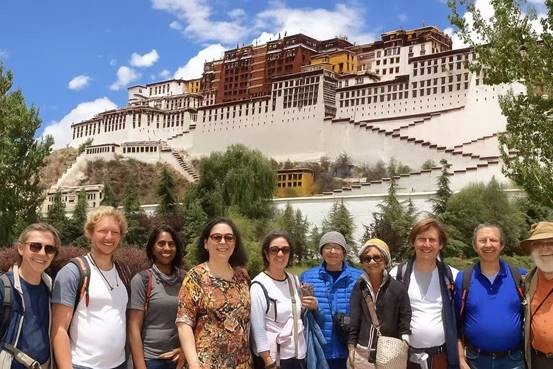
Tibet is not merely a destination; it is a calling. Known as the “Land of Snows,” it is a place where the sky feels closer, the air is thin with mystery, and the very landscape seems to whisper ancient prayers. To journey here is to embark on a pilgrimage for the soul.
To truly walk this ancient land is to understand that every mountain, every lake, is considered a deity in its own right. Your journey, therefore, becomes a form of dialogue with the divine. The practical steps—the permits, the acclimatization, the mindful planning—are not mere bureaucracy, but rather a process of preparing your body and spirit to receive the profound lessons Tibet has to offer. As you arrange your journey with a Tibetan-owned agency, you do more than secure a guide; you weave your own thread into the living tapestry of the local community, ensuring your footsteps support the very culture you have come to admire.
Easing the Path: China’s Evolving Visa Policy for the Tibetan Pilgrim
For many, the journey to Tibet once felt layered with bureaucratic complexity, a test of patience before the physical and spiritual ascent could even begin. However, recent shifts in China’s visa policy have begun to smooth the path, making the initial steps toward the Roof of the World more accessible than they have been in years.
The most significant change for 2025 and 2026 is the removal of the long-standing Chinese Group Visa requirement for travelers entering from Nepal. This policy once bound travelers to a rigid, single-entry group itinerary. Now, you can obtain an individual Chinese visa from your home country, granting a greater sense of personal agency and flexibility from the very start of your pilgrimage. This shift acknowledges the independent spirit of the modern traveler, allowing you to approach the journey with a quieter mind. Furthermore, the temporary reopening of the historic Dram (Zhangmu) border crossing provides a vital new route after the Kyirong bridge was lost to natural forces, demonstrating a practical adaptability in facilitating this sacred passage.
While the essential Tibet Travel Permit, arranged by your certified agency, remains the non-negotiable key to the TAR’s heartland, these policy evolutions signify a meaningful opening. They streamline the preliminary journey, reducing logistical hurdles so you can focus your energy on what truly matters: the inner preparation for the profound encounters that await amidst the high Himalayas. It is a welcome alignment of policy and spirit, making the celestial realm of Tibet feel just a little closer, and its wonders a little more readily available to the sincere seeker.
This is your comprehensive guide for 2025, designed to help you answer that call—not just as a tourist, but as a mindful traveler. Here, you will learn how to tread lightly, embrace wonder, and return home transformed.
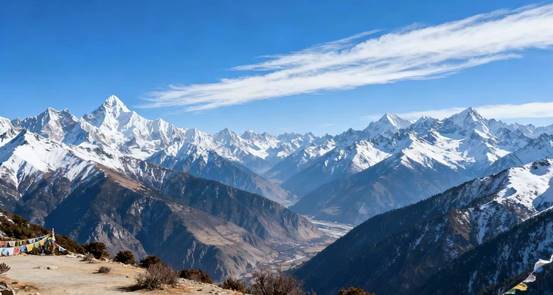
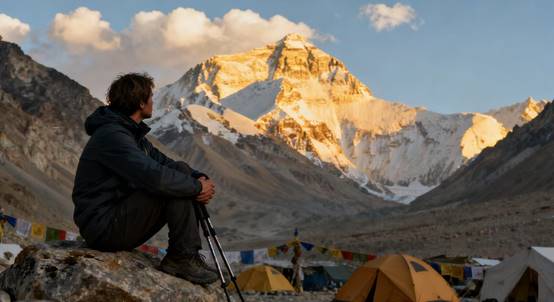
*The majestic vista of Mount Everest from the Gyawu La Pass—a moment of pure, unspoken awe.*
Within this guide, you will discover the path to:
* Cultivating a profound and authentic experience in this sacred land.
* Ensuring a journey that is as safe as it is spiritually rewarding.
* Navigating the practicalities with wisdom, avoiding common pitfalls of time and money.
* Traveling in a way that honors and supports the vibrant Tibetan people and their culture.
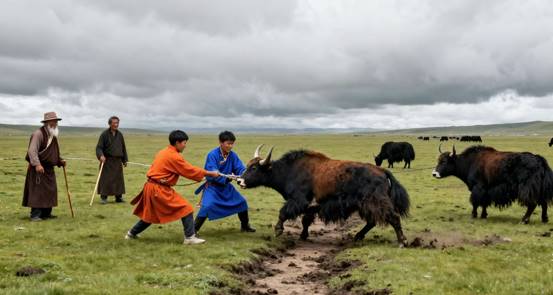
*The timeless rhythm of life in Kham, where the earth meets the heavens.*
Let us begin this journey together.
Section Overview:
* Ten Most Frequently Asked Tibet Travel Questions
* The Soul of Tibet: What to Experience
* The Journey Inward: How to Travel to Tibet
* The Rhythm of the Seasons: Best Time to Visit
* The Keys to the Kingdom: Visas and Permits
* A Vessel for the Journey: Health and Safety
* Nourishment of the Body: Tibetan Food
* Sanctuaries for the Spirit: Where to Stay
* Wisdom for the Way: Our Top Recommendations
————————————————————————————————————————————
Ten Most Frequently Asked Tibet Travel Questions
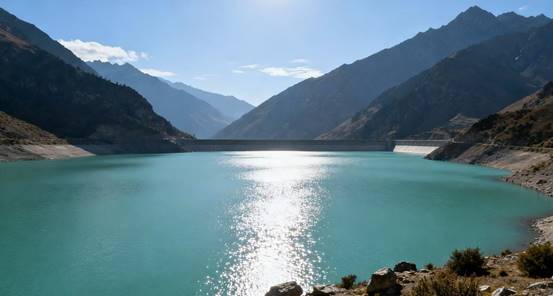
*The serene, turquoise waters of Manak Dam Lake seen from the Simi La Pass*
The following consists of questions and clear answers to quiet your mind and open your heart to the journey ahead:
The path to Tibet can seem shrouded in questions. To bring you immediate peace, we begin with the essential inquiries that arise in the heart of every aspiring traveler.
1. Is Tibet Accessible to Any International Pilgrim and Traveler?
The gates to Tibet are generally open, offering their welcome to foreign travelers throughout most of the year, with the exception of certain periods in February and March. To cross its threshold, you will need two keys: a Chinese visa and a special Tibet Travel Permit, a document that speaks to the region’s unique status. Some nationalities may acquire a visa upon arrival.
A Significant Change for the 2026 Journey:
In July 2025, flooding reshaped the land, washing away the bridge at the Kyirong border crossing with Nepal. In its stead, the historic crossing at Dram (Zhangmu) has been temporarily reopened for international travelers.
A significant change eases the path: the Chinese Group Visa is not required any longer for journeys from Nepal. You may now apply for an individual China visa from your own country. Please remember, the Tibet Travel Permit, arranged by your chosen Tibet travel agency, remains your essential companion.
2. Can You Walk the Path Alone? The Truth About Independent Travel

*Travelers and their Tibetan guide share a moment at Gonlong Jampaling in Amdo*
In the heartland of Tibet—the Tibet Autonomous Region (TAR), which cradles Lhasa and Mount Everest—the answer is NO. The journey must be made with an officially recognized Tibetan travel agency. Yet, within this structure, there is beautiful freedom.
Your “organized tour” can be a private pilgrimage, a journey for you alone, or for you and your chosen companions. Beyond the TAR, in the expansive eastern regions of Kham and Amdo, you are free to wander more independently, following the whispers of your own spirit.
3. Is Tibet a Sanctuary for the Traveler?
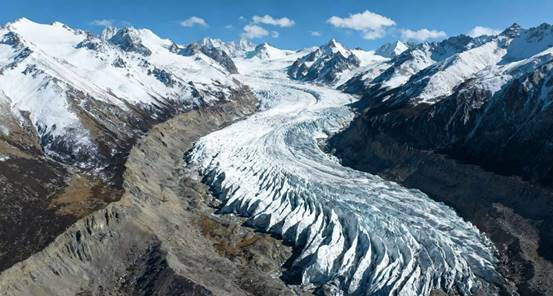
*The pristine, powerful presence of the Nyenchen Khangsar Glacier near the Karo La Pass*
In terms of personal safety, many find a profound sense of peace in Tibet, often feeling more secure than in their home cities. The culture is one of deep-rooted kindness and hospitality. Solo travel, for women and men alike, is very common, and is facilitated by your guide and driver. You are free to explore the holy sites of Lhasa on your own, losing yourself in the whirl of prayer wheels and the murmur of mantras.
4. How Does One Approach the Roof of the World? Respecting the Altitude
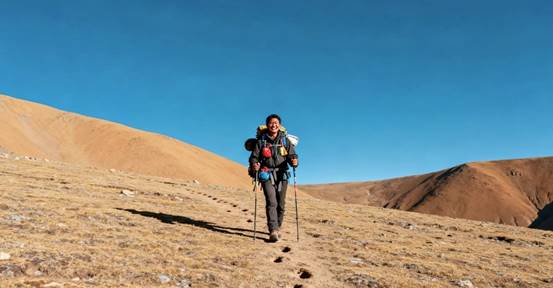
*A trekker descends from the high pass of Zhugar La, surrounded by boundless sky.*
Tibet’s average elevation is 4,500 meters—a physical and spiritual ascent. Altitude sickness is a real consideration, but one that can be met with mindful preparation. We recommend a gentle approach:
* Listen to Your Body: Upon arriving in Lhasa, grant yourself the gift of rest. Move slowly, breathe deeply, and drink copious amounts of water.
* Ascend Gradually: Allow your body to begin its silent adjustment by pausing for a few nights at a mid-level altitude like Xining.
* Journey by Train: The slow, rhythmic climb to Lhasa aboard the train is not only a breathtaking experience but a kinder way to acclimatize.
* Seek Counsel: Speak with a travel doctor about whether medication like Diamox is right for your body’s temple.
* Honor the Ascent: Follow the wisdom of acclimatization, never ascending too quickly to higher elevations.
5. When Does the Land Sing? Choosing Your Season of Travel
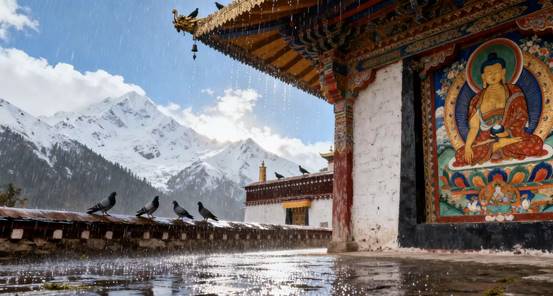
*The serene and sacred atmosphere of Chotang Monastery*
Each season in Tibet sings a different hymn to the heavens.
* Summer: The land is emerald and alive, warmed by the sun and vibrant with festivals. This is also the season of pilgrims and travelers, and of occasional rain that, while often falling at night, can veil the peaks of Everest and Kailash.
* Spring & Autumn: These are seasons of clarity. The air is crisp, the skies are often a profound blue, and the crowds have thinned, offering a more intimate experience.
* Winter: Do not fear the cold. Winter offers a stark, beautiful solitude. With far fewer travelers, the presence of Tibetan pilgrims in Lhasa is palpable. The mountains stand in sharp relief against the winter sky, and a deep, contemplative silence descends upon the land.
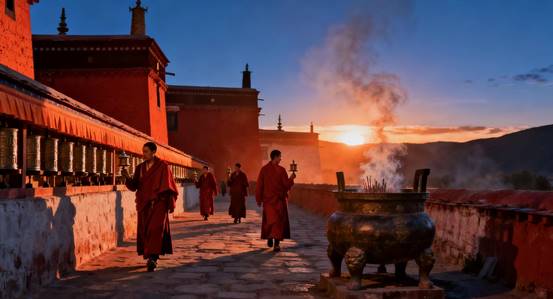
It is wise to avoid the traditional closure months of February and March, as well as Chinese national holidays in May and October, when the flow of domestic tourists peaks.
6. What Papers Does the Spirit Need? Visas and Permits Demystified

*A sample Chinese visa nestled within a passport*
A Chinese visa is your first step, but it is not your last. Think of it as permission to enter the country, while the Tibet Travel Permit is your invitation to the sacred realm within. This permit is issued by the government but must be applied for on your behalf by your certified Tibetan travel agency. They are your guides in the world of paperwork as much as on the mountain paths.
7. What is the Offering? Understanding the Cost of a Sacred Journey

*The legit currency being used in Tibet as of 2026, the Chinese RMB, also called CNY*
A journey to Tibet requires a financial offering, a result of the region’s unique policies. This investment, however, opens the door to an unparalleled experience. Here are sample estimates for small group tours (excluding travel to Lhasa):
* Urban Lhasa and Around (3-4 days): about $440 – $580
* Everest Base Camp (7-8 days): about $850 – $1,150
* A More Gradual Everest Journey (9-10 days): about $900 – $1,500
* Mount Kailash Pilgrimage (14-16 days): about $1,900 – $2,150
For a private, solitary journey, the cost per person is higher but offers complete flexibility:
* Urban Lhasa and Around (3-4 days): From $440
* Everest Base Camp (7-10 days): From $1,150
* Mount Kailash (14-16 days): From $2,650
*Warm Reminder About the Estimated Prices:
The quotes above were the ones when this article was written or updated. So, the actual booking prices could vary in accordance with currency exchange rate fluctuations, the specific dates when you come to Tibet and some other factors.
To make your journey more accessible, you might consider traveling in the quiet of winter, joining a small group, or sharing a room to get rid of single room supplements.
8. Is Lhasa the Cradle of the Spirit?
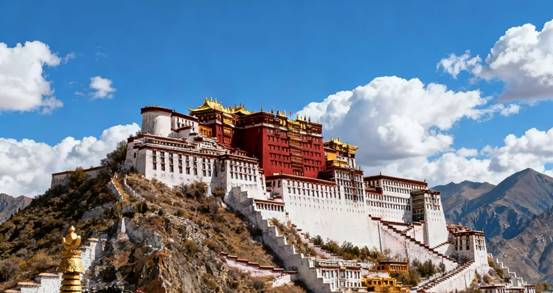
*The Potala Palace in winter, standing eternal and majestic*
Lhasa is not just a city; it is a living, breathing heart. Despite modern changes, its soul remains untamed and potent. There is a magic here that defies description.
It is the sight of the Potala Palace, a celestial fortress rising from the rock, embodying centuries of prayer and power. It is the sensation within the Jokhang Temple, where the air is thick with the scent of butter lamps and the fervent devotion of pilgrims prostrating before golden Buddhas. It is the connection forged over a cup of salty butter tea with a smiling stranger.
Yes, a thousand times yes. Lhasa is worthy of visiting. It is the beginning and the end of the inner journey.
9. Is the Gateway, A Himalayan Passage, from Nepal to Tibet Feasible?

*The all-seeing eyes of the Boudhanath Stupa in Kathmandu witness the beginning of many spiritual journeys northward.*
Yes, the path to Tibet can begin in the vibrant spiritual heart of Nepal. However, we counsel wisdom in your approach. While an overland journey from Kathmandu to Lhasa may seem alluring, it poses a significant risk to your well-being, as the rapid ascent invites severe altitude sickness, turning a pilgrimage into a trial. We strongly recommend flying to preserve your strength for the spiritual encounters that await.
The journey from Nepal also involves a different dance with bureaucracy. You must secure your passage through an authorized Nepali travel agency. Be mindful that obtaining a visa here will cancel any other Chinese visa in your passport. The path forward after your time in Tibet may also have specific rules to follow. We delve deeper into these practicalities in the visa section below, ensuring your journey is seamless.
Tibet is not merely a place on a map, but a destination of the soul. For centuries, it has called to seekers, pilgrims, and travelers with the promise of profound transformation. This guide illuminates the path to answering that call, helping you journey not just to a physical location, but into the heart of a sacred land.
10. Where the Earth Meets the Sky: The Geography of the Soul
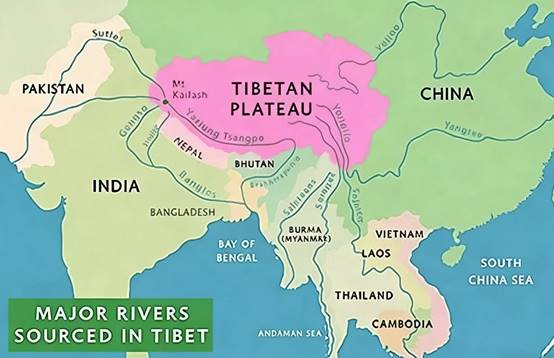
*A land defined not by borders, but by its breathtaking elevation and spiritual significance.*
Tibet is often confused with its Himalayan sibling, Nepal, yet it holds its own unique and powerful identity. It is the pulsating heart of Asia, a vast, high-altitude plateau that rests to the northeast of India and forms the western expanse of the People’s Republic of China. This is a land of immense scale, bordering nations and cradling the summit of Mount Everest.
To step onto this sacred ground, one needs more than a standard Chinese visa; it requires a special Tibet Travel Permit—an official invitation to explore one of the most spiritually charged landscapes on Earth.
The Soul of Tibet: Must-See Sanctuaries and Landscapes
Top Destinations to Explore in Tibet
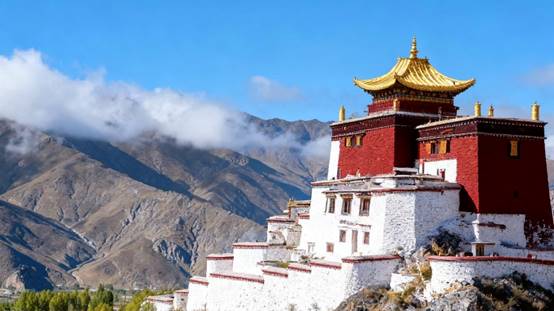
*Yungbulakang Palace, the ancient cradle of Tibetan civilization, stands as a testament to time.*
Tibet is a boundless realm, overflowing with wonders that stir the spirit. We have endeavored to gather a few of its most profound highlights to guide your journey.
For what is Tibet renowned?
Those who have wandered the globe often speak of Tibet in hushed, reverent tones, naming it the most unforgettable place their soul has ever encountered. What is the source of this magic?
The Abode of Deities: Tibet’s Mountains
The mightiest and most sacred mountains on Earth pierce the Tibetan sky. The Himalayas are but one of the majestic ranges that guard this plateau, standing as silent, snow-capped sentinels of eternity.

Sanctuaries of the Spirit: Tibetan Buddhist Monasteries
For over a millennium, Tibetans have dedicated themselves to the profound study of the mind’s nature. This devotion has given rise to spectacular temples and monasteries, architectural marvels dedicated to the practice of wisdom and universal compassion.
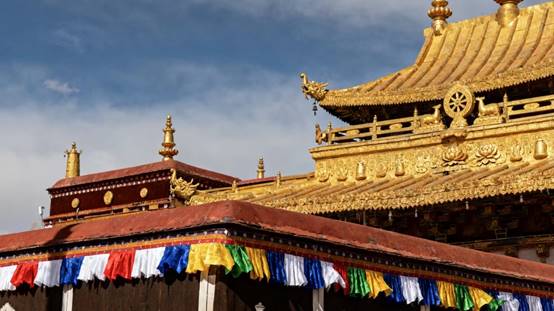
*One Corner of the Jokhang Temple Roof in Lhasa, Tibet*
The Sky’s Mirror: Tibet’s Celestial Lakes
Scattered across the plateau are some of the world’s highest, holiest, and most stunningly beautiful lakes. Their turquoise and sapphire waters act as perfect mirrors, reflecting the vast sky and the deepest parts of our own being.
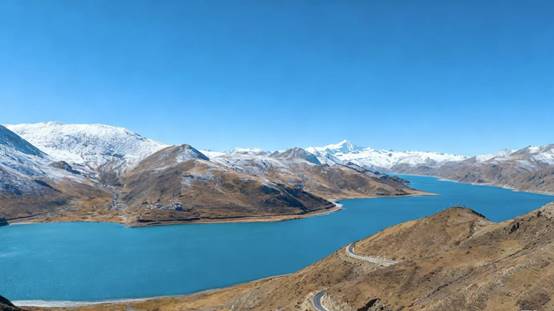
*Yamdrok Yumtso Lake located in Ngarzhag County, seen from the Kamba La Pass in Tibet.*
The Heart of Tibet: Its People
Earthy and spiritual, resilient and quick to laughter—Tibetans are among the kindest and most captivating people you will ever meet. Their warmth and strength are the true soul of this land.
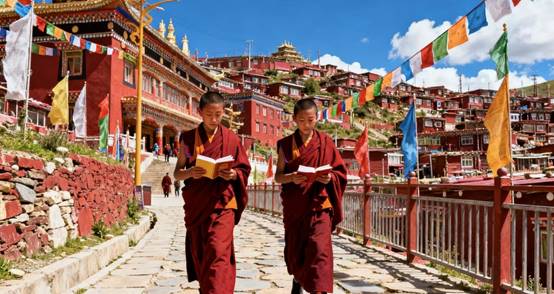
*Two young monks studying Tibetan scriptures unflaggingly at Larung Gar.*
Destinations You Shouldn’t Miss in Tibet
Lhasa: The Sunlit Heart
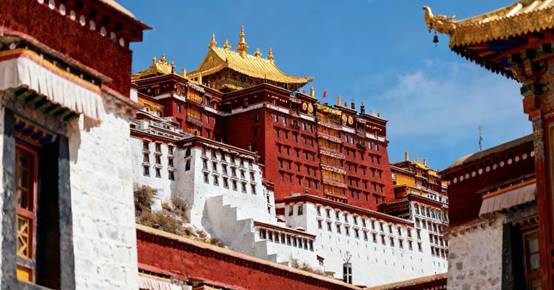
*Rooftop of the Potala Palace*
The ancient, high-altitude capital is a universe unto itself. Home to the sublime Jokhang Temple and the majestic Potala Palace, Lhasa is a living, breathing sanctuary that will capture your heart and imagination.
Mount Everest: The Crown of the World
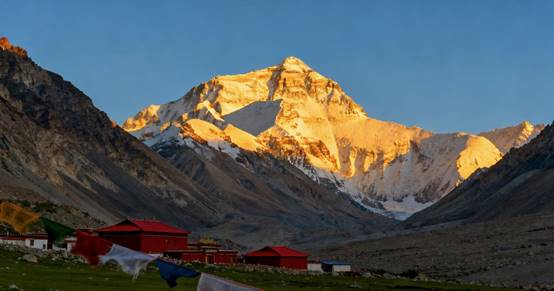
*Mount Everest observed at Rongbuk Monastery*
Tibet offers the most breathtaking vistas of the planet’s highest peak. A journey to Everest Base Camp on the Tibetan side is a pilgrimage to the very roof of our world, a place of humbling and sublime power.
Mount Kailash: The Axis of the Universe
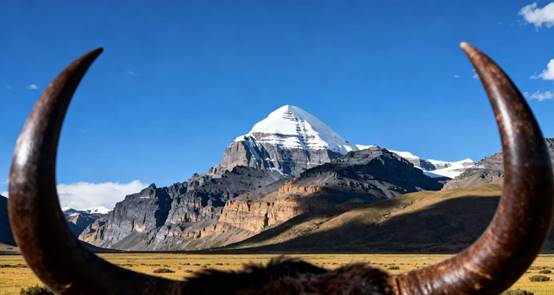
*Scenery of Mt. Kailash observed through yak horns on Barkha Plain.*
While Everest holds fame, Mount Kailash holds the deepest sanctity. Sacred to four of the world’s great religions, this majestic peak calls pilgrims to undertake a life-altering kora (circumambulation) around its base, a journey that has transformed souls for centuries.
Journeys of a Lifetime: Sacred Itineraries
As your journey must be made with a certified guide, we present the most profound tours, which can be taken as a group or as a private pilgrimage.
The Celestial Railway to Lhasa (about 3-7 days)

*First Class Soft Sleeping Bed on a Train to Tibet*
Combining the awe-inspiring Sky Train with a tour of Lhasa’s highlights is a sublime way to witness Tibet’s majestic landscapes and its most treasured spiritual sites.
Lhasa Highlights Pilgrimage (3-4 days)
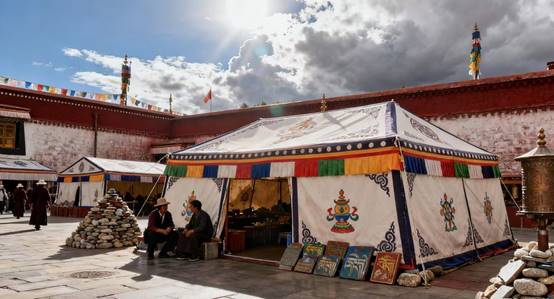
*The vibrant summer tents adorning the roofs of Jokhang Temple in Lhasa, Tibe*
For those with limited time, you can fly into Lhasa (after heeding our acclimatization advice) and immerse yourself in the core of Tibetan spiritual and cultural life.
Everest Base Camp: A Pilgrimage to the Summit of the Earth
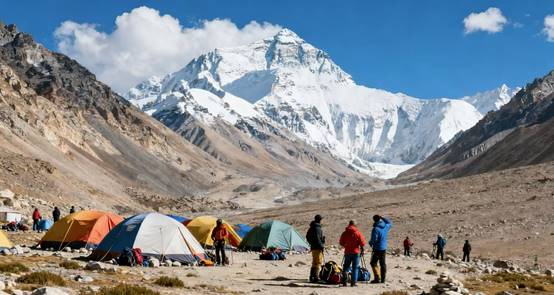
*The soul igniting journey to Everest Base Camp on the Tibetan side.*
This beloved journey from Lhasa to the base of Mt. Everest presents a tapestry of Tibet’s most dazzling wonders, condensed into a profound 8 to 14-day pilgrimage.
The Ultimate Pilgrimage: Mount Kailash Kora
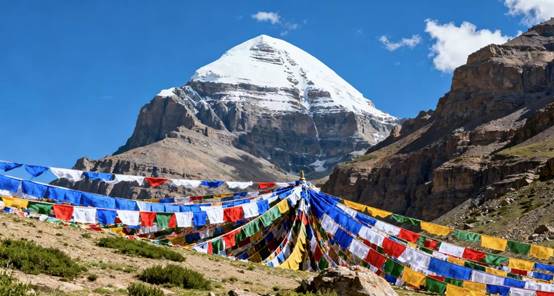
*The Fluttering and Whisper-carrying Prayer Flags in the Foothills of Mt. Kailash*
For the seeker undertaking a once-in-a-lifetime journey, this is the grand tour. It encompasses Lhasa, ancient kingdoms, Everest, and the sacred, soul-stirring trek around Mount Kailash.
The Himalayan Traverse: Lhasa to Kathmandu
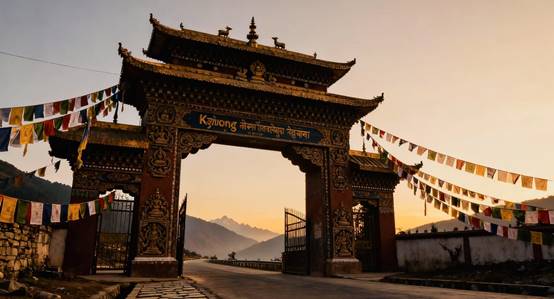
*The Kyirong Border gate standing as a breathtaking gateway into the enchanting realm of Nepal*
This is one of Asia’s great journeys, traversing from one spiritual capital to another. You will experience the highlights of Lhasa, the turquoise brilliance of Yamdrok Lake, the majesty of Everest, and the cultural treasures of the Friendship Highway.
The Practical Path: How to Journey to Tibet?
The best way to travel to Tibet honors both the body and the spirit.
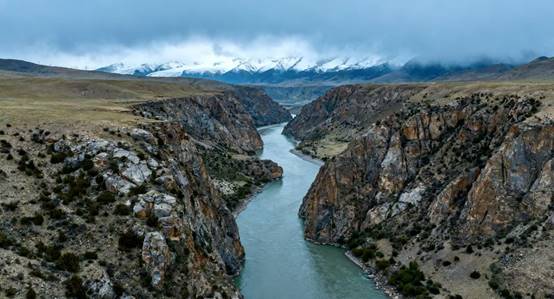
*The Yarlung Tsangpo River, a lifeblood carving its way through the plateau.*
The question of “how” to get to Tibet is fundamental. The path is more accessible than it may seem, especially with mindful planning.
A Note for the 2026 Journey:
In July 2025, flooding reshaped the land, washing away the bridge at the Kyirong border. In response, the historic crossing at Dram (Zhangmu) has been temporarily reopened. Furthermore, the Chinese Group Visa is no longer required for travel from Nepal, simplifying your passage. You may now apply for an individual visa from your home country, though the essential Tibet Travel Permit, arranged by your agency, remains your key.
The Foundation: Traveling with Guidance
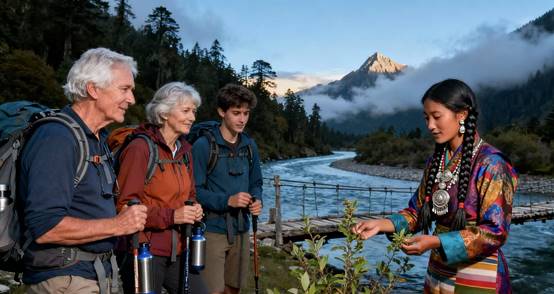
*Venture into the mesmerizing realm of Kham, Eastern Tibet, where travelers are guided by seasoned Tibetan experts*
We reiterate this essential point: you cannot wander Tibet alone. Due to government regulations, your journey must be organized through a certified Tibet travel agency. This structure is not a limitation, but a vessel that allows you to journey with a quiet mind, knowing the practicalities are cared for by local experts.
Our Heartfelt Recommendation: The Gentle Ascent
Fly to China, then to Xining, then take the Sky Train to Lhasa.
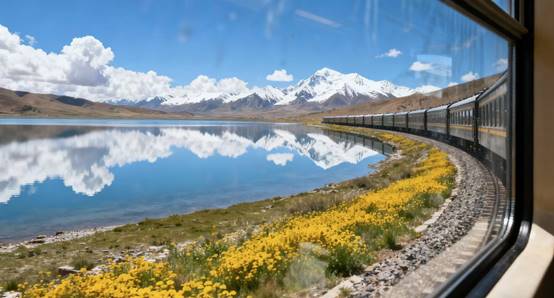
*A window to the soul of the plateau.*
Out of deep respect for the altitude and your well-being, we champion this route:
1. Fly to China: Begin your international journey to a gateway city like Chengdu or Beijing.
2. Fly to Xining: This city on the edge of the plateau is your gateway to acclimatization.
3. Rest in Xining: Pause here for at least two to three nights. Let your body begin its silent, crucial adjustment to the elevation. Use this time to visit local Tibetan monasteries, allowing your spirit to attune to the culture.
4. Board the Sky Train to Lhasa: This 24-hour journey is not just transit; it is a slow, majestic unveiling of the Tibetan landscape, a gentle ascent that prepares your soul for what is to come.
We recommend this path because it honors your body, drastically reducing the risk of altitude sickness, and transforms the journey into a gradual, awe-inspiring initiation. You arrive in Lhasa not drained, but ready to receive its blessings.
An Example from the West: A Pilgrim’s Route from the U.S.
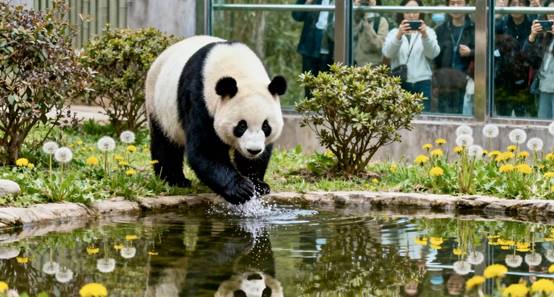
*A gentle giant panda in Chengdu, a peaceful pause on the journey.*
From the San Francisco Bay Area, a potential journey unfolds:
To Tibet:
* Fly non-stop from San Francisco to Chengdu.
* Rest overnight in Chengdu.
* Fly from Chengdu to Xining.
* Spend several nights in Xining (usually 1-2 nights are enough), visiting sacred sites like Kumbum Monastery.
* Embark on the transcendent train journey from Xining to Lhasa.
Return from Tibet:
* Fly from Lhasa back to Chengdu.
* Depart from Chengdu for home, carrying the peace of Tibet within you.
This is the path we trust—a journey that is as mindful as it is magnificent, ensuring your adventure in Tibet is one of health, harmony, and deep spiritual resonance.
The Pathways to the Plateau: Arriving from Mainland China
There are no direct international flights into the heart of Tibet, and this is the first lesson the land teaches: all profound arrivals require preparation. Your journey will naturally begin with a flight to a gateway city in mainland China, such as Beijing, Shanghai, or Chengdu. This initial step is the first act of transition, a conscious leaving behind of the familiar. From these bustling hubs, you face a choice that will fundamentally shape your initial experience of the Roof of the World—a choice between swiftness and gradual immersion.
*Prepare your Tibet trip inward before boarding the transports:
To travel to Tibet is to embark on a pilgrimage, a journey where the path you choose and the season in which you walk it become part of the transformation itself. This is not a mere vacation; it is an invitation to shed the noise of the modern world and listen to the ancient whispers carried on the mountain wind. The journey itself is a sacred rite of passage, a deliberate unfolding that prepares the body and soul for the immense landscapes and profound spirituality that await. Here, we explore not just the logistical pathways into the heart of the Himalayas, but the celestial dance of seasons that dictates the land’s mood and magic, helping you align your own inner rhythm with that of the Roof of the World.
Means 1: The Celestial Railway: A Mindful Journey by Tibet Train

*Watching the world transform mile by mile from the window of the Sky Train, a moving meditation on scale and solitude.*
All trains to Lhasa converge onto the legendary Qinghai-Tibet Railway at Xining, a city that sits on the precipice of the high plateau. While you can technically board a train from virtually any major Chinese city, we do not recommend beginning your epic journey from distant points like Beijing or Shanghai. The initial leg is a long, slow traverse across China’s vast interior, and the truly soul-stirring vistas only reveal themselves after Xining. This is not just about efficiency; it is about energy. The long, monotonous approach can drain your spirit before you even reach the promised landscapes.
Furthermore, this long approach does little to aid your acclimatization. The true gift of the train journey is the gentle, rhythmic ascent from Xining onwards, a 24-hour meditation on the changing landscape. As you watch the world outside your window shift from green hills to the vast, golden expanse of the Changtang, your body has the time it needs to adjust to the thinning air. It is a practice in patience and presence, allowing your spirit to expand in tandem with the landscape. A new route from Chengdu to Lhasa is on the horizon, slated for around 2030, promising another magnificent gateway for future pilgrims.
Means 2: The Swift Ascent: The Practicality and Peril of Air Travel
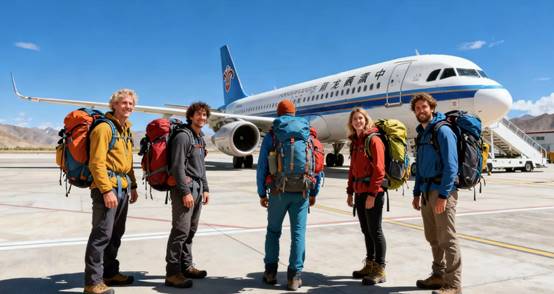
*A swift but sudden ascent to the heavens, trading gradual wonder for immediate intensity.*
For those constrained by time, over a dozen Chinese cities offer flights directly to Lhasa. The practicality is undeniable: you can book a single international ticket that connects through a hub like Chengdu, or purchase a separate domestic flight upon arrival in China. This path offers speed, lifting you from urban density to Himalayan majesty in a matter of hours.
However, we offer a word of caution born of wisdom and witnessed experience: while fast, flying directly into Lhasa’s high altitude is a profound shock to the system. You trade the gentle, mindful preparation of the train for immediate, full exposure to the thin air of 11,975 feet. In this swiftness, you risk trading the sacred process of acclimatization for a brutal trial by oxygen deprivation, where the first days of your spiritual journey could be lost to headache and nausea. It is a choice that prioritizes the destination over the journey itself.
Means 3: The Pilgrim’s Road: The Overland Path from Mainland China
For the adventurous soul seeking the most ancient form of travel, a new path has emerged: the G318 National Highway, the Sichuan-Tibet Highway. Officially opened to foreigners in 2019, this route has long been a classic journey for Chinese tourists, a ribbon of tarmac and dirt that stitches together some of Asia’s most dramatic scenery. We have not personally traversed every switchback of this road, but trusted Tibetan agents describe it as an “awesome” and popular adventure—a true pilgrimage on wheels for those who wish to earn their arrival mile by breathtaking mile. This is for the traveler who understands that the destination is not a point on a map, but the cumulative experience of the journey itself, where every mountain pass crossed is a lesson in perseverance and every valley entered a new state of mind.
The Nepali Gateway: A Himalayan Passage of Contrasts
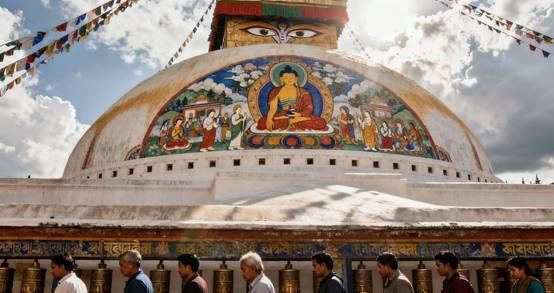
*Beginning your journey in the vibrant, prayer-flag-lined spiritual heart of Kathmandu, where the air is thick with incense and devotion.*
Yes, the path to Tibet can begin in the vibrant, prayer-flag-lined streets of Kathmandu, a city that itself pulses with a deep spiritual energy. However, this route requires careful navigation and a clear understanding of its unique challenges and bureaucratic nuances. It is a path of contrasts, moving from the lush, monsoon-fed valleys of Nepal to the arid, high-altitude desert of the Tibetan Plateau.
Means 1: By Air from Kathmandu: A Route in Flux
Please note: As of this writing, the direct aerial bridge between Kathmandu and Lhasa is dormant. Travelers must now connect through a Chinese city like Chengdu, adding a layer of logistical complexity. Furthermore, entering from Nepal involves a special group visa process that demands foresight and patience. Recent rules require a minimum of five travelers to apply together at the Chinese embassy in Kathmandu, necessitating at least four full business days in the city for processing. This time, however, can be a gift—an opportunity to immerse yourself in the sacred sites of the Kathmandu Valley, visiting ancient stupas and temples to prepare your mind for the journey ahead. Most critically from a health perspective, flying from Kathmandu’s moderate elevation to Lhasa’s extreme altitude is a jarring physiological transition that invites altitude sickness to overshadow your spiritual opening.
Means 2: By Land from Kathmandu: A Path We Do Not Walk
The overland route via the Kyirong border and the Friendship Highway is a fascinating corridor through the belly of the Himalayas, but we firmly do not recommend it for the journey into Tibet. The rapid ascent from the lowlands of Nepal to the Tibetan plateau in a matter of days does not permit any meaningful acclimatization. We have seen too many travelers, their dreams of enlightenment replaced by the grim reality of pulmonary or cerebral edema, being rushed back to lower elevations. The road on the Nepali side is also notoriously rough and prone to landslides. The wise solution? Experience this legendary route in reverse, as a magnificent and descending finale to your Tibetan journey, traveling from Lhasa to Kathmandu, allowing your body to gently decompress as you move from the stark sublime of Tibet to the verdant warmth of Nepal.
The Divine Clockwork: Aligning Your Spirit with Tibet’s Seasons
Tibet is not a single destination, but a vast tapestry of microclimates and moods, each season possessing its own unique character and spiritual offering. The “best” time is thus deeply personal, a reflection of what your soul seeks in its dialogue with this sacred land. Are you coming to witness the land in its full, vibrant bloom, or to find solace in its silent, wintery contemplation? The season you choose becomes the backdrop against which your inner journey will unfold.

*A pious Tibetan monk turning his prayer’s wheel while standing on the top of a monastery.*
* Do you crave warmth and vibrant life, wishing to feel the earth thrum with energy, even if it means sharing the paths with fellow seekers? Then the green, festival-filled days of summer call to you.
* Do you seek crystalline solitude and the profound, humbling company of Tibetan pilgrims over other tourists, believing that true connection flourishes in quiet spaces? Then the stark, sun-drenched silence of winter is your spiritual season.
* Is your quest singular: to behold the unveiled, majestic face of Mount Everest, to stand in the presence of the Goddess Mother of the World? Then you must strategically avoid the veiling clouds of the summer monsoon, planning for the clear, sharp windows of spring or autumn.
In this divine clockwork, every season has its sacred purpose and its unique set of gifts and challenges.
Our Heartfelt Recommendation: The Sacred Pause of the Shoulder Seasons
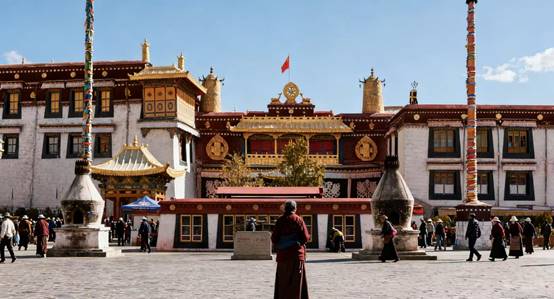
*The golden roofs of the Jokhang Temple glow under an autumn sky, a time when the air is clear and the crowds have thinned.*
We find the soul of Tibet is most accessible and resonant during the “shoulder seasons,” when the elements are in a gentle, harmonious balance. These periods offer a beautiful compromise, providing favorable conditions for travel while allowing for a more personal and reflective experience.
* The Clear Serenity of Fall and Winter (Mid-October to mid-January): Autumn is a time of harvest and clarity. It offers fewer crowds, mild days under a sun that holds a gentle warmth, and skies of profound, piercing blue after the summer rains have passed. As winter deepens, the cold is sharp but often surprisingly manageable in the Lhasa valley under the midday sun, and the rewards are immense: an authentic, devout atmosphere thick with the presence of Tibetan pilgrims from distant regions, significantly lower costs, and a stark, beautiful solitude that allows for uninterrupted contemplation. It is essential to avoid the first week of October, a Chinese national holiday, when domestic tourism swells and the sacred sites brim with a very different energy.
* The Blossoming Hope of Late Spring (Mid-April to early June): This period is a well-kept secret, a time of reawakening. The land shakes off its winter slumber, with tentative green shoots appearing on the plateau. The heavy summer rains have not yet arrived, and the weather is fresh, invigorating, and ideal for trekking. It is a window of clear skies and manageable tourist numbers, perfect for the seeker of tranquility and new beginnings, who wishes to witness the land as it stirs back to life.
A Sacred Reminder: Mother Nature is the ultimate deity here, unpredictable and powerful. There are no guarantees, only possibilities. We have been blessed with clear, stunning views of Everest in the heart of the rainy season and have been snowed in at base camp during a supposedly clear month in December. The lesson Tibet teaches is one of surrender and openness. Approach your journey not with a rigid checklist of demands, but with an open and adaptable heart, ready to gracefully accept the unique gifts and lessons the land chooses to offer you, whatever they may be.
A Tapestry of Seasons: Tibet’s Eternal Cycle
* Summer: A time of emerald green landscapes and warm, sun-drenched days in Lhasa. This is the season of festivals, of life, and of pilgrimage for Tibetans themselves. The energy is high, though rain clouds may frequently shroud the highest peaks from view. It is the peak of tourism, with corresponding crowds and prices, a vibrant and social time to visit.
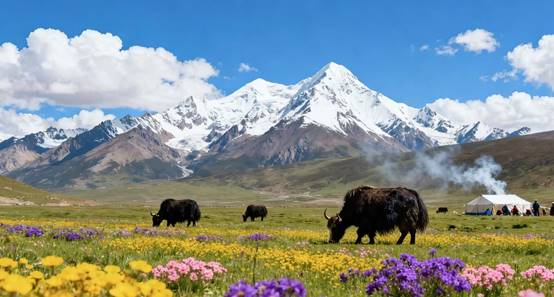
*Yaks are fed on emerald green grass while nomadic Tibetans are cooking something in their tent home in summer.*
* Autumn: A season of maturity and introspection. The air turns crisp, the skies clear to a brilliant, endless blue, and the crowds begin to thin. It is a time for deep reflection, for long, uninterrupted walks around ancient monasteries, and for the clearest mountain vistas of the entire year.
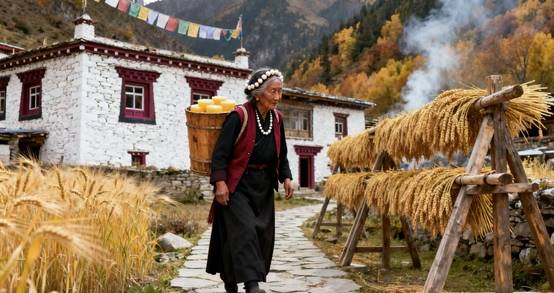
*A Tibetan old lady is entertaining a sense of achievement upon seeing her wheat harvested and being dried on the shelves in autumn.*
* Winter: The time of the inward journey. The land is quiet, the air is piercingly clear, and the true, devout heart of Tibet is on full display in Lhasa’s temples, which are filled with murmuring pilgrims. It is cold, yes, but also profoundly authentic, peaceful, and affordable—a time for the serious seeker.
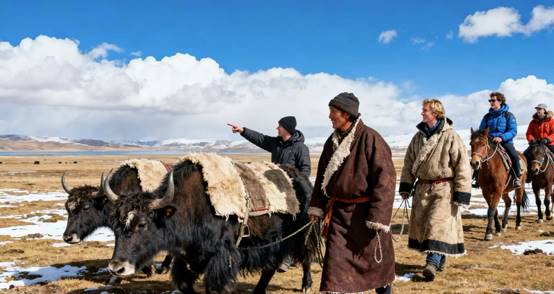
*Our Tibetan guide along with a local farmer is showing western travelers around in Gyangtse town in Shigatse Prefecture in Tibet in December.*
* Spring: A season of tentative reawakening and potent promise. While March is often administratively closed, from mid-April the land begins to warm, offering another precious window of clarity and quiet before the summer bloom. The high passes may still be snow-covered, but the valleys are accessible, making it a time of anticipation and beautiful, stark landscapes.
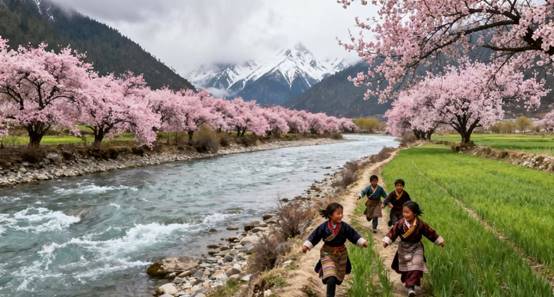
*A group of Tibetan children are gamboling in the vernal zephyr with sakura blossoming in Tibet.*
The Pulse of Sacred Sites: When to Visit Key Destinations
Best Time to Visit Lhasa: The Eternal City
Lhasa, the Sunlit City, can be visited year-round, but its magic is most palpable in the fall and winter. We personally cherish the quiet devotion of winter, when the city belongs once more to its people and the sound of prostrations echoes in the crisp air. The key is to avoid the large-scale disruptions of the Chinese national holidays in May and October, and the traditional administrative closure periods of February and March.
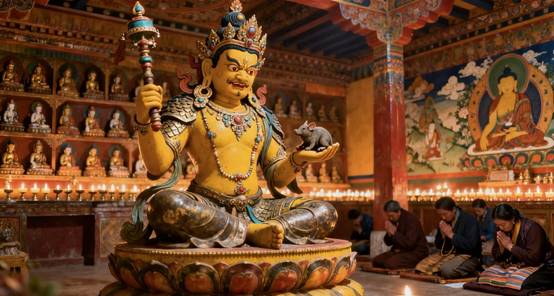
*The Statue of Yellow Jambhala (the god of fortune) is being worshiped by Tibetans in Jokhang Temple in urban Lhasa.*
Best Time to Visit Everest Base Camp: Beholding the Goddess
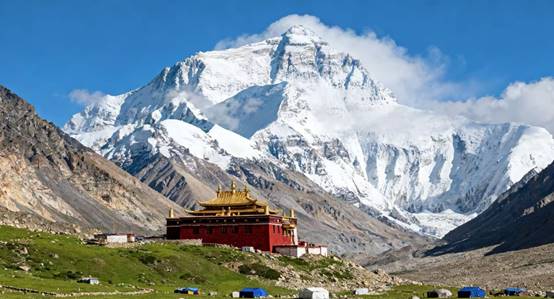
*The ultimate reward for patience and planning: a clear, humbling view of the world’s pinnacle.*
To stand before Chomolungma, the “Mother Goddess of the World,” and hope to witness her unveiled summit, you should aim for the stable atmospheric windows of April, May, or October. These months traditionally offer the best compromise between manageable (though still cold) temperatures and a statistically higher chance of clear, unobstructed skies. Summer is a gamble with the monsoon, where the mountain often cloaks herself in cloud, while deep winter, though often possessing the clearest air, presents brutally cold conditions and potential road closures that only the most experienced and well-equipped hardy souls should challenge. Your pilgrimage to her base is a vow of respect; choosing the right time is the first act of that devotion.
The Call of the Sacred Peak: Aligning with Mount Kailash
To undertake the journey to Mount Kailash is to answer one of the world’s oldest spiritual calls, a summons that echoes across religions and continents. This is not a trek but a *kora*, a sacred circumambulation believed to purify karma and erode the illusions of a lifetime with every step taken in devotion. The mountain does not demand conquest; it invites reverence. Similarly, to eat in Tibet is not merely to nourish the body, but to partake in ancient traditions of comfort and community, to share in the simple, profound wisdom of a people shaped by the high plateau. This guide illuminates both the external path to the holy mountain and the internal journey of connecting through Tibetan food, ensuring your pilgrimage feeds the body, quiets the mind, and uplifts the soul.

*The sacred symmetry of Mount Kailash, mirrored in the pristine waters of Lake Manasarovar—a vision of divine harmony that has drawn pilgrims for millennia.*
Mount Kailash, known as Kang Rinpoche (Precious Jewel of Snows) to Tibetans and as the abode of Lord Shiva to Hindus, is more than a mountain. It is the axis of the spiritual universe, the mythical Mount Meru made manifest in stone and ice. For the Buddhist, a single kora can erase the sins of a lifetime; for the Hindu, it brings liberation from rebirth; for the Jain, it is where their first saint achieved enlightenment; and for the ancient Bön faith, it is the soul of the country. The window to approach this revered peak is brief and sacred, dictated by the fierce, elemental will of the high plateau. Organized tours to the region typically run only from May through mid-October, a short season of accessibility in a remote land.
The primary gatekeeper on this 52-kilometer journey is the Dolma La Pass, a breathtaking and daunting 5,630 meters (18,471 feet) above sea level. Outside this narrow seasonal window, the pass is treacherously snowbound, a white desert that closes the sacred circuit to all but the most foolhardy. While the heart of summer (June-August) offers the warmest temperatures, it also brings the rhythm of afternoon rains and the vibrant, bustling energy of large groups of Indian pilgrims completing their own lifelong devotions. For a balance of clearer skies, stable paths, and slightly more solitude for personal reflection, the shoulder months of May and late September are often ideal.
However, a true pilgrim must travel with an open heart, releasing attachment to specific outcomes. The mountain, like any true deity, reveals itself on its own terms, often cloaked in clouds or veiled in sudden snow squalls. We have completed the kora in mid-September under a persistent ceiling of rain clouds, our pilgrimage an act of faith in the unseen. And then, on our final approach, the clouds parted for a single, breathtaking hour. The sun illuminated the iconic, black and white striated peak in a golden-hour benediction—a fleeting, profound vision that made the entire challenging journey worthwhile. The pilgrimage, we learned, is in the mindful walking, the rhythmic breath, the mantra on the lips, and the connection with fellow pilgrims, not just in the final, postcard-perfect view.
Preparing for the Kora: A Physical and Spiritual Regimen
The kora is a test of endurance, but its primary challenge is the altitude. Beyond the general acclimatization advice for Tibet, preparing for Kailash requires specific focus.
*Physical Preparation: Months of cardiovascular training—hiking, cycling, running—is essential. The kora involves long days of walking over rough, rocky terrain with significant elevation gain and loss.
*Packing for the Pilgrimage: Your pack should be a kit of mindful simplicity. Essentials include a robust, broken-in pair of hiking boots, layered clothing for four seasons in a single day, a -20°C sleeping bag for basic guesthouses, a high-UV-protection hat and sunglasses, a headlamp, and a durable water bottle. A walking stick is not just a tool; it becomes a third leg and a spiritual support.
*The Inner Journey: The kora is as much an inner pilgrimage as an outer one. Many pilgrims undertake practices in the months leading up to the journey—meditation, mantra recitation (the universal Om Mani Padme Hum), or setting a compassionate intention (bodhicitta) for the walk. This inner preparation transforms the physical exertion into a moving meditation.
The Keys to China’s TAR (Tibet Autonomous Region): Navigating the Labyrinth of Visa and Permit
The journey to Tibet requires both earthly permissions and spiritual preparation. Navigating the bureaucracy is the first step in demonstrating your sincere intent, a modern-day trial that separates the casual tourist from the dedicated seeker.
How to Get Your Chinese Visa: The First Seal of Passage

*The practical gateway to a spiritual journey (sample only), where attention to detail is the first practice in mindfulness.*
Your first task is to secure a Chinese visa, a process best undertaken from your home country to ensure the smoothest experience. You have two paths: apply directly at a Chinese embassy or consulate, navigating their specific requirements and hours, or simplify the process by employing a reputable visa service, which acts as a knowledgeable guide through the bureaucratic maze. A crucial piece of practical wisdom, born from years of experience, is this: Do not mention Tibet, Lhasa, or any specific Tibetan destinations on your application. List mainstream tourist cities like Beijing, Shanghai, and Chengdu as your intended destinations. This is not deception; it is understanding the specific administrative process for the TAR. The exception to every rule is applying from Nepal, which involves a distinct and more complex group visa process best handled by a specialized agency in Kathmandu.
The Tibet Travel Permit: Your Invitation to the Sacred Land
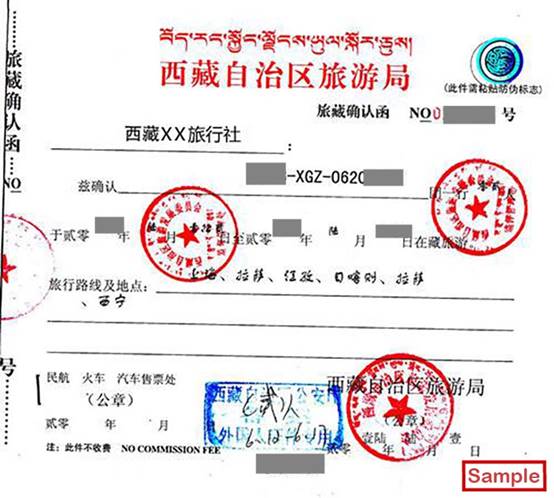
*The official document (sample only in the image) that unlocks the heart of the plateau, a tangible representation of your journey’s intention.*
The Tibet Travel Permit (TTP) is your true key to the region, and thankfully, it is the one your certified Tibetan travel agency will secure on your behalf. This is where your choice of agency transforms from a business transaction into a sacred trust. Once you book your tour, they become your advocate, handling the entire application process with the Tibet Tourism Bureau. This involves submitting your passport details, Chinese visa information, and detailed itinerary. While approvals are generally reliable for standard tours, they require the virtue of patience—allow at least 20 days for processing, and more during peak seasons or for complex itineraries. This necessary waiting period is the journey’s second lesson: release the need for control and trust in the process. For travel beyond Lhasa to restricted areas like Mount Kailash, Everest Base Camp, or Eastern Tibet, your agency will also secure the requisite Aliens’ Travel Permit and Military Area Entry Permit, seamlessly weaving this complex web of paperwork behind the scenes.
A Vessel for the Journey: Cultivating Health, Safety, and Inner Peace
Your body is the vessel that will carry you through this profound landscape. Caring for it is not a separate task from your spiritual practice; it is the very foundation of it. A body struggling for breath or battling illness cannot be a receptive vessel for the profound energies of the plateau.
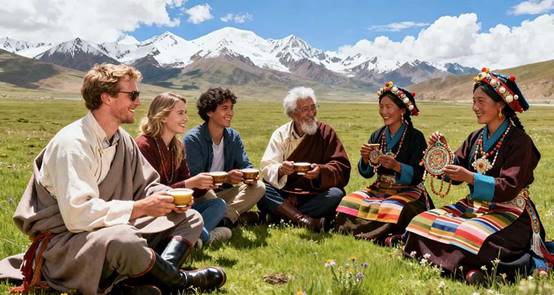
*Western travelers are being shown exquisitely made Tibetan handicrafts by local people while cozily listening to the interpreter.*
Altitude Sickness Prevention: The Spiritual Practice of Gentle Ascent
The single most important practice for a successful journey is respectful and mindful acclimatization. The golden rule of high-altitude medicine is to ascend slowly, allowing the body time to produce more red blood cells and adjust to the lower oxygen saturation. However, the most popular routes to Tibet inherently violate this principle, creating a conflict between logistics and well-being. Our years of experience, including guiding countless travelers and listening to our own bodies, have distilled a method that honors both physiological needs and the spirit of adventure:
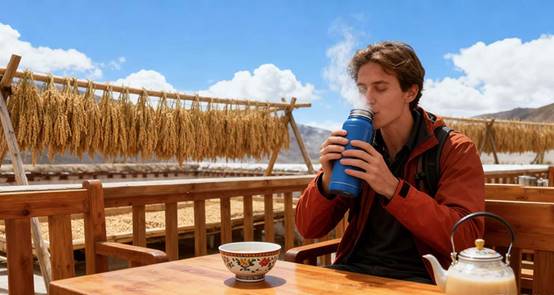
*A tourist is trying to maintain a peaceful mind by sitting down and drinking some hot water upon his arrival in Tibet on the first day.*
*Begin at the Threshold in Xining (2,275m): Do not rush to Lhasa. Fly or take a train to this vibrant gateway city on the plateau’s eastern edge. Its intermediate elevation is a perfect classroom for your body, introducing it to higher altitude without overwhelming it.
*The Sacred Pause: Absorb and Adjust in Xining: Plan to stay in Xining for **at least two full nights**, with three being ideal. This is not lost time; it is invested time. Use these days to visit the breathtaking Kumbum Monastery, a major center of Tibetan Buddhism. As you walk its halls, your spirit settles and your body quietly works to adapt. This is the first integration of cultural immersion and physical preparation.
*Seek Wise Counsel: A Conversation with Your Doctor: Before you depart, have a frank conversation with a travel medicine physician. Inquire about a prescription for Acetazolamide (Diamox), a preventive medication that can aid the acclimatization process by accelerating the body’s natural adaptation mechanisms. This is not a magic pill but a tool, one that must be understood and used wisely.
*Ascend with the Sky Train: A Journey of Gradual Revelation: The 24-hour train journey from Xining to Lhasa is a moving meditation. As the landscape transforms outside your window from green hills to the vast, golden expanse of the Changtang, your body makes its gentle, rhythmic climb. This is far superior to the shocking transition of air travel, which catapults you from a sea-level mindset to a high-altitude reality in a matter of hours.
*The Practice of Rest in Lhasa: Upon arrival in the holy city, dedicate **three full days** to rest and gentle exploration. This is a non-negotiable spiritual practice. Wander the Barkhor circuit slowly, matching the pace of the prostrating pilgrims. Sit in a sun-drenched courtyard and sip salty butter tea. Let your body find its new equilibrium in the thin air without the pressure of a frantic sightseeing schedule.
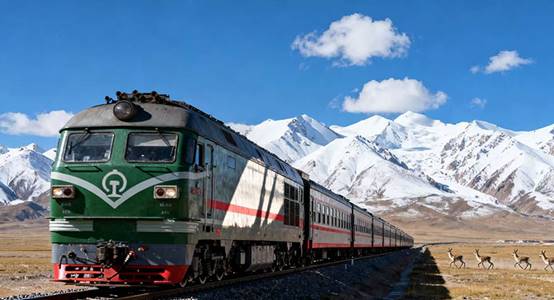
*Getting started from Xining train station to Lhasa Tibet, passengers get the shortest train journey to witness the exclusive Qing-Tibet plateau scenery.*
Personal Security: A Sanctuary for the Soul
Tibet is, for the vast majority of travelers, a place of profound peace and safety. The culture is deeply rooted in Buddhist principles of non-violence and compassion, and many solo travelers, including women, report feeling exceptionally secure, often more so than in their home cities. Your safety is further supported by the structure of your tour. Your Tibetan guide and driver act as more than just service providers; they are your protectors, cultural interpreters, and often, become friends. Choosing a trustworthy, Tibetan-owned agency is therefore not just a logistical decision, but a spiritual and ethical one—it ensures your financial contribution directly supports the local community you have come to visit and learn from.
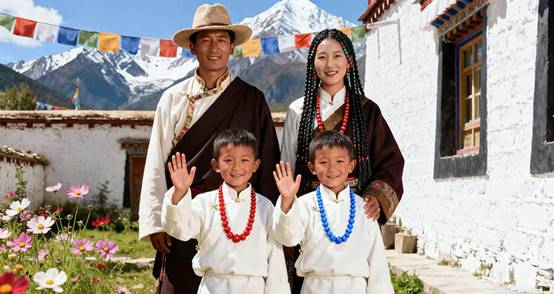
*Tibetan twin brothers with their parents are waving hands to the tourists, wishing every one of you has an unforgettable stay in Tibet.*
Driving in Tibet: A Practice in Mindful Travel
The vast, epic distances in Tibet mean you will spend significant time on the road, traversing high passes and sweeping valleys. While road conditions have improved dramatically over the past decade, mindful awareness is key to safety. Tibetan drivers possess incredible skill, navigating these high-altitude roads with an intuitive understanding of the terrain. However, remain present. Long driving days can lead to fatigue. If you feel a driver is pushing limits—whether due to speed, exhaustion, or weather—it is your right and responsibility to speak calmly to your guide. This is not rudeness; it is a shared commitment to a safe and mindful pilgrimage for everyone in the vehicle.
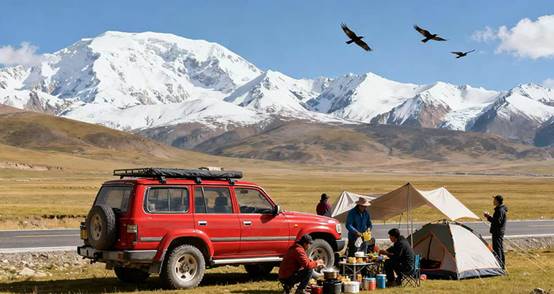
*Some travelers are cooking food by the side of the road during their sacred driving journey via a land cruiser vehicle in Tibet.*
Nourishing the Vessel: Food and Water as Spiritual Practice
In the high, dry air of Tibet, nourishing your body is a sacred duty. The old traveler’s adage is your best guide: “Cook it, boil it, peel it, or forget it.” Embrace foods that are freshly prepared and served hot, like the steaming bowls of thukpa or freshly fried momos. The dry, high-altitude air is deceptively dehydrating, and the symptoms of dehydration can mimic altitude sickness. Make the conscious drinking of water a spiritual practice in itself. Set a timer if you must. Sip constantly from your water bottle, treating each drink as an act of self-care that enables your journey. Rely on sealed bottled water or use your own robust filtration system to ensure purity.
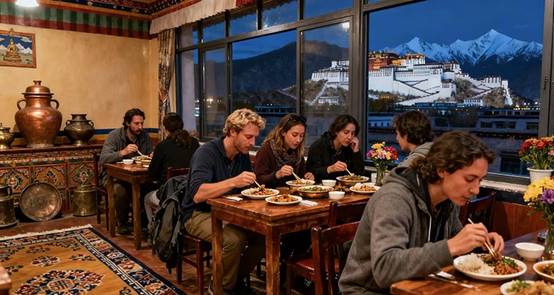
*A small group of international tourists are savoring Tibetan dishes in Lhasa for the first time in their lifetime.*
Protecting Your Temple: The Elements as Teachers
At Tibet’s elevation, you are closer to the sun, and its rays are unfiltered and potent. The combination of intense UV radiation, desiccating wind, and cold temperatures can be harsh on the body’s largest organ: your skin. Your essential kit, therefore, becomes a form of armor and respect for the elements. This includes a wide-brimmed hat, a high-SPF (50+) broad-spectrum sunscreen reapplied religiously, a buff or scarf to protect the face from dust and retain moisture with your breath, and a rich, emollient moisturizer to repair the day’s damage. The strong sun can also cause photokeratitis (sunburn of the cornea), so high-quality UV-blocking sunglasses are mandatory, not optional.
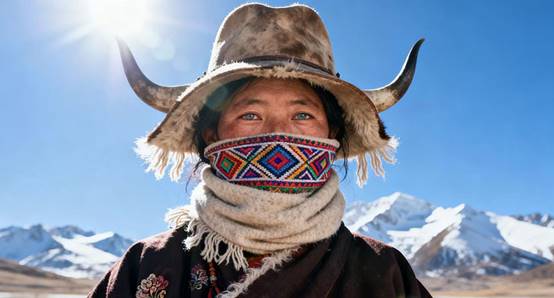
*Tibetans wear scarves around their necks and a wide hat to protect their skin from the strong ultraviolet when going outing.*
The Safety Net of Equanimity: Travel Insurance
A mindful traveler prepares for the unexpected without dwelling on fear. Secure a comprehensive travel insurance policy that understands the unique nature of a high-altitude pilgrimage. Scrutinize the policy to ensure it explicitly includes emergency medical evacuation from remote, high-altitude locations, covers the trekking activities you plan to undertake (like the Kailash kora), and ideally, offers “cancel for any reason” coverage. This latter clause is a wise investment in peace of mind, protecting you against the rare but real possibility of sudden regional administrative closures that are beyond anyone’s control.
The Soul of the Hearth: An Introduction to Tibetan Food
Tibetan cuisine is a humble yet profound art form, designed to comfort, sustain, and bring people together in a challenging climate. It is food for the soul, steeped in the warmth and generosity of a people who know the value of a shared meal and a warm hearth. It is hearty, simple, and deeply satisfying, reflecting a practical wisdom honed over centuries on the plateau.
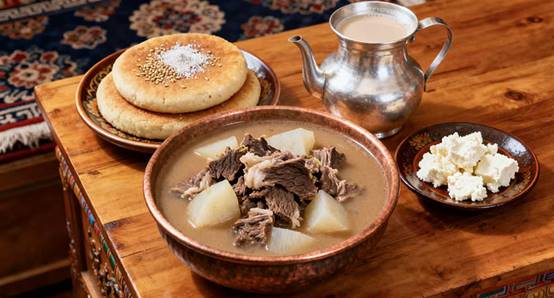
*Two Tibetan pies, lobscouse, goat cheese and a kettle of butter tea are presented to tourists in urban Lhasa.*
Signature Tibetan Dishes: A Pilgrim’s Menu for the Senses
Momos: The Universal Embrace of Comfort
These beloved dumplings are a universal language of delight in Tibet. Delicate dough wrappers are stuffed with seasoned minced yak meat, lamb, or finely chopped vegetables. They can be steamed (tse momo), resulting in a soft and juicy parcel; pan-fried (kothey) for a crispy bottom and tender top; or served swimming in a clear, delicate broth. A dipping sauce of fresh chili, garlic, and soy sauce often accompanies them. Each bite is a direct taste of Tibetan hospitality and home-cooked love.
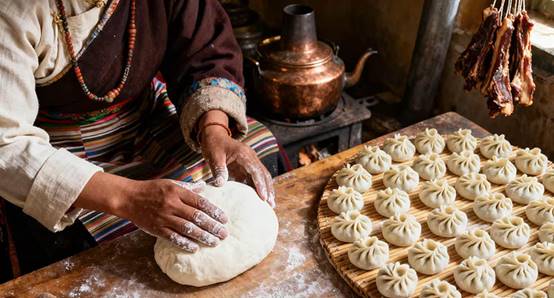
*Hand-made Tibetan Momos from dough*
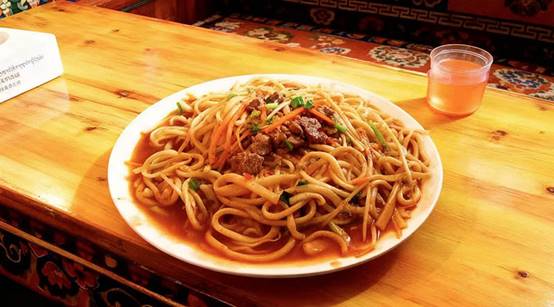
Thenthuk: The Hand-Pulled Embrace on a Cold Day
Thenthuk is the ultimate restorative meal. Its name comes from *then* (pull) and *thuk* (noodle), and watching the dough be stretched and pulled into irregular, thick noodles is a performance in itself. These noodles are dropped into a savory broth with bits of meat, potato, radish, and leafy greens. It is a simple, warming, and incredibly satisfying soup that feels like an internal embrace after a long, cold day of travel or pilgrimage.
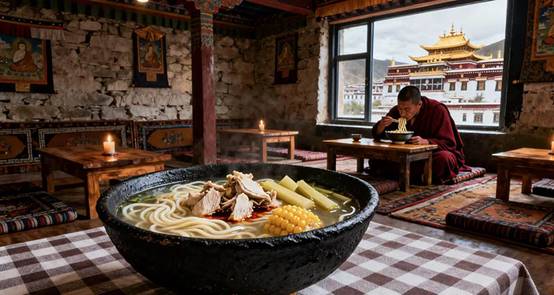
*Thenthuk pulled noodles in a small restaurant near Barkhor Street*
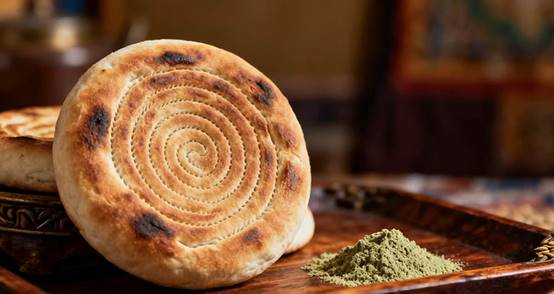
Shapaley: The Savory, Juicy Pastry
Shapaley are the heartier cousins of momos. Imagine a larger, pan-fried meat pie with a beautifully pleated, thicker crust that becomes golden brown and slightly crispy. The filling is typically juicy, well-spiced minced yak meat with onions. They are substantial, flavorful, and embody the robust, celebratory nature of Tibetan flavors, often enjoyed during festivals or family gatherings.
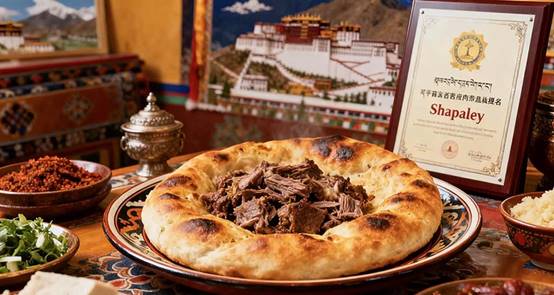
*Fragrant and Crispy Shapaley, a tantalizing bread that harmonizes perfectly with flavorful melted beef in Tibet*
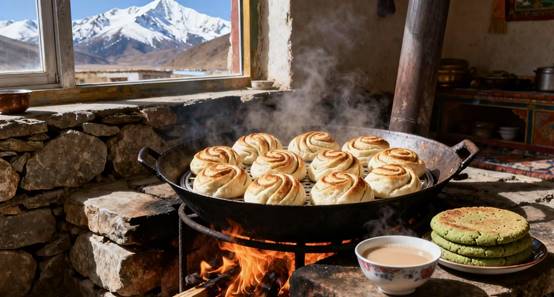
Tingmo: The Steamed Pillow of Warmth
These fluffy, white, steamed buns are the perfect neutral companion to richer, spicier stews and dishes. They have a slightly sweet, yeasty flavor and a wonderfully soft, pillowy texture. Tibetans often use them to scoop up sauces and stews, and they serve as a calming, staple presence on the plate, balancing the stronger flavors of the meal.
 Easy Tibet Travel